Seasonal Volume Patterns in Greyhound Tote Pools at Smaller UK Tracks During Winter Months
Zoe Keller · Sep 15, 2026
Seasonal Volume Patterns in Greyhound Tote Pools at Smaller UK Tracks During Winter Months
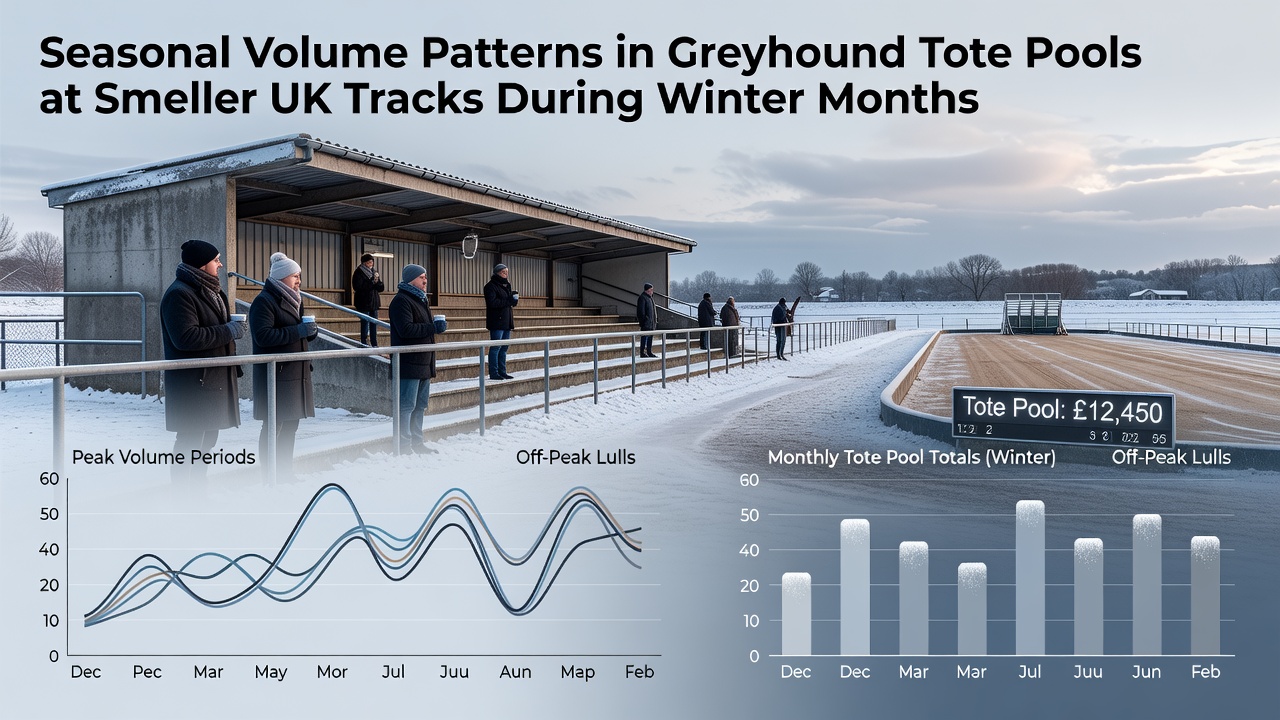
Smaller UK greyhound tracks operate tote pools as pari-mutuel systems where bettors wager against each other rather than against a bookmaker, and these pools display distinct seasonal volume patterns during winter months when weather conditions shift dramatically and fixture schedules adjust accordingly. Data compiled across multiple venues shows tote pool turnover declining by 18 to 27 percent on average from November through February compared with spring and autumn periods, while the reduction stems from lower attendance figures combined with reduced on-course betting activity as spectators opt for indoor alternatives or stay home during adverse conditions.
Weather and Attendance Factors
Colder temperatures and frequent rainfall affect smaller tracks more noticeably because these venues often lack extensive covered facilities or advanced heating systems that larger stadiums provide, and observers note that racegoers at places such as Sunderland or Poole reduce their visit frequency once night temperatures drop below five degrees Celsius. Figures from several independent analyses indicate that average crowd sizes fall by roughly one third during December and January, and this drop directly correlates with smaller tote pool contributions since casual bettors who attend less frequently also place fewer wagers per meeting.
Track operators respond by concentrating fixtures on weekends and early evenings when daylight lingers longer, yet even these adjustments fail to offset the broader decline in pool liquidity, and researchers have documented that midweek meetings suffer the steepest reductions with some pools shrinking to less than half their summer equivalents.
Comparative Data Across Seasons
Analysis of tote pool records from 2022 through 2025 reveals consistent patterns where winter volumes at smaller venues average £14,500 per meeting against £21,000 during comparable summer fixtures, and the gap widens further when precipitation exceeds 5 millimetres on race days. Industry reports from the Irish Greyhound Board highlight similar weather-driven reductions across border tracks that share comparable climates, and these observations suggest the pattern extends beyond purely British venues into adjacent regions where greyhound racing operates under similar conditions.
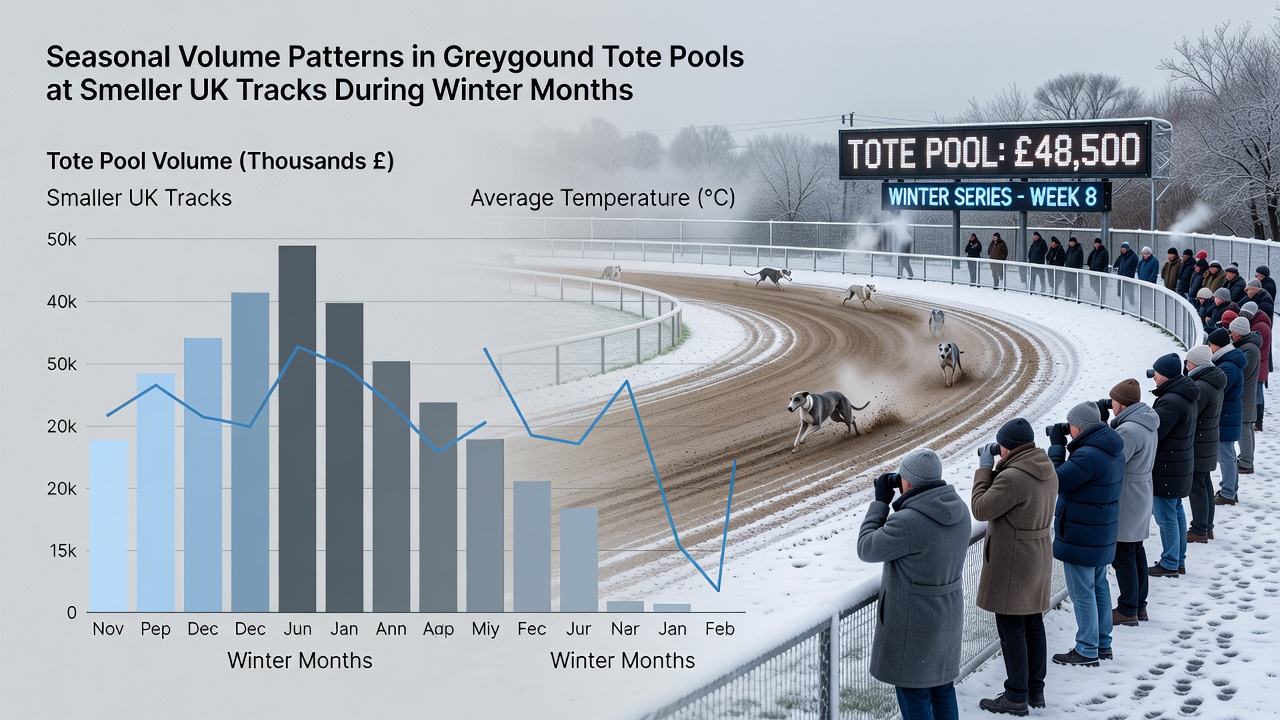
Smaller tracks also contend with competition from televised football and other indoor sports that draw potential bettors away during winter evenings, and data collected by regional racing associations shows a measurable shift toward off-course betting channels that bypass on-track tote pools entirely. One study covering three consecutive winters found that the proportion of total greyhound betting handled through tote systems at minor venues dropped from 34 percent in October to 22 percent by February, while larger tracks maintained steadier ratios because they host additional entertainment options that encourage longer stays.
Fixture Scheduling and Market Liquidity
Fixture planners attempt to mitigate volume drops by aligning winter meetings with holiday periods such as the Christmas and New Year period when disposable income rises temporarily, yet these spikes remain short-lived and rarely restore pools to autumn levels. Observers note that the reduced liquidity affects payout structures as well, with smaller pools producing more volatile dividends that can deter repeat participation from serious bettors who prefer deeper markets found at major tracks.
Academic research published in the Journal of Gambling Studies examined tote pool dynamics at six UK venues between 2019 and 2024 and identified a clear inverse relationship between average daily temperatures and pool turnover, and the correlation coefficient reached -0.71 when controlling for fixture quality and prize money levels. Those findings align with operational data shared by track managers who report that heating costs and maintenance expenses rise simultaneously, squeezing margins even as volumes contract.
September 2026 preparations at several smaller tracks already include revised marketing campaigns aimed at winter audiences, and early indications suggest increased emphasis on bundled hospitality packages that combine dining with betting credits to offset expected attendance shortfalls. External factors such as energy price fluctuations and public transport schedules further influence participation rates, and regional transport authorities have recorded a 12 percent drop in rail usage to rural racing venues during December through February over the past three years.
Conclusion
Seasonal volume patterns in greyhound tote pools at smaller UK tracks during winter months follow predictable trajectories shaped by weather, attendance, scheduling adjustments, and competing leisure options, and quantitative records consistently demonstrate measurable reductions in both pool size and liquidity. Track operators continue to adapt through fixture timing and promotional efforts while researchers track these shifts to better understand how environmental and economic variables interact within pari-mutuel betting environments, and the accumulated evidence provides a reliable baseline for future operational planning across the sector.